Community Alert airs on Tuesday, 11 AM and 9 PM and again on Saturday at 1 PM on KZSB-AM 1290 and on www.newspress.com. To Listen tothe show click next link. Community Alert AM 1290 Radio

Nixle is a Community Information Service dedicated to helping you stay connected to the information that matters most to
you, depending on your physical location. You stay connected to your local  police department, your children’s schools, your local community agencies and  organizations, and the important information from other locations throughout the
country that are relevant to you.

Their service is built on the most secure, reliable, and high-speed distribution platform,ensuring that you receive trusted and
immediate, geographically relevant.

Nixle FREE Sign UP

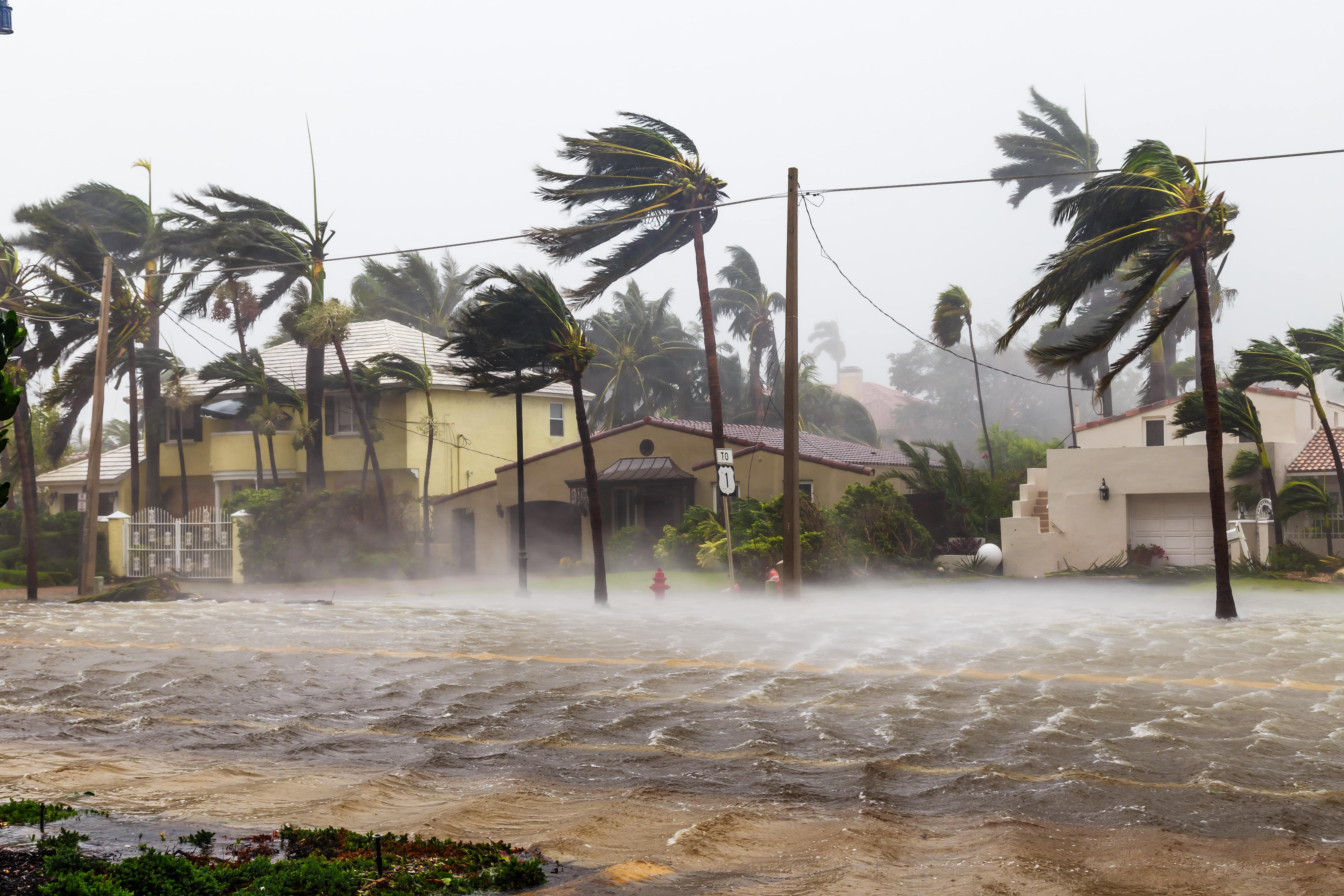
Heavy rainfall can cause property damage. Are you prepared? 

Before it Rains
Take preventative measures now before the rain arrives and create a family action plan. Inspect your property for potential hazards and fix any past problem areas. Slopes, roof repairs, and places where water tends to accumulate
are all areas posing potential hazards if there is extended rain. Purchaseplastic sheeting and sandbags for your landscape while stores have supplies. The City’s Maintenance and Fire Departments keep a number of sandbags on hand for emergencies, a major rain incident can quickly deplete their supply.

Residential rain preparations should include clearing debris from gutters, downspouts and low areas in yards or
patios that could cause water back-ups. Call on a professional property inspector to take a look at your roof to be sure seals and caulking are in good shape or if they need to be resealed. Prevent runoff pollution into streets and storm
drains by collecting any trash or landscape clippings from your property into their designated disposal containers. Secure outdoor furniture, equipment ortoys and be sure pets have safe cover.  How to Check for Roof Leaks.

When rain storms are predicted, Santa Barbara residents, particularly those in canyon areas or next to potentially
unstable slopes, are urged to prepare and maintain preparedness standards. Sandbags are available for residents who will need to take precautionary measures on their property. Learn how to obtain sandbags from the County.

When a “Flash Flood Watch” is issued by National Weather Service and confirmed by City of Santa Barbara Public Works Officials, the City will open the Sandbag Station. The City’s Sandbag Station is located at the City of Santa Barbara Corporate Annex Yard at 401 East Yanonali Street. Sand and sandbags will be available to the public at the Sandbag Station. Residents should bring their own gloves and be prepared to fill the bags they need. Note when filling sandbags, fill them only half way, so they are not too heavy to lift and will stack properly. Twenty sandbags are
allowed per trip.

During Stormy Days
Avoid driving during heavy downpours. Santa Barbara has experienced minor flooding on city streets, residential mud run-off, brownouts as well as repeated closure and significant damage on the occasion of heavy rain. Some roads are particularly prone to problems during heavy rain—if not from the storm directly, then from resulting mudslides, loose rocks, and car accidents. If you live in a canyon area or use it to commute, it is especially important that you have an emergency plan in place. Consider detours to regular destinations; identify a relative or neighbor that can help with children and animals if you are delayed getting home; and keep a list of important phone numbers so that you can stay informed.

Please remove your trash cans from the street on your trash pick-up day as soon as possible after pick up. Empty trash cans can block storm drains.

The Department of Transportation (Caltrans) maintains jurisdiction over the state highways roadway. However, to
protect public safety, multiple agencies including Santa Barbara Police and Santa Barbara Sheriffs are authorized to close the roadway as necessary during incidents.When closures do occur, they are undoubtedly inconvenient, but rest
assured they are only employed when necessary to protect public safety. Because multiple agencies are involved and conditions can change rapidly, immediate, detailed information is often difficult to obtain. To help streamline
procedures and improve emergency communication be sure to sign up for NIXLE notification.

What is Nixle?
Nixle is a Community Information Service dedicated to helping you stay connected to the information that matters most to you, depending on your physical location. You stay connected to your local police department, your
children’s schools, your local community agencies and organizations, and the important information from other locations throughout the country that are relevant to you. Our service is built on the most secure, reliable, and
high-speed distribution platform, ensuring that you receive trusted and  immediate, geographically relevant information. Information is immediately available over your cell phone by text message, by email, and over the web.
Your account can be customized so you receive the information that matters most to you. Whether it is where you live, work, or have friends or family throughout the country, the information is immediately available to you over
your mobile phone, email and computer. FREE Sign Up.

Without a doubt, pre-planning, staying informed and plenty of patience will help you when the storms hit.

After Rain Emergencies
Should water or mud damage occur on private property, the owner should get in touch with their insurance company
for referrals to approved remediation services and more importantly, to be advised of and if any applicable insurance coverage . Those who may wish to contract on their own for assistance can find commercial vendors listed in the
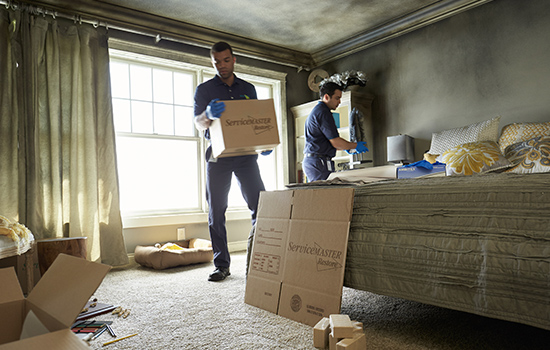
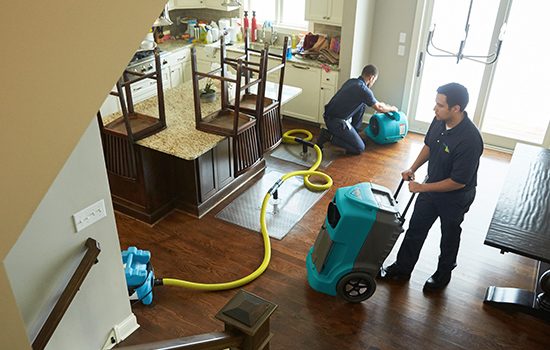
yellow pages. Look under “water damage” and be sure to inquire if the company is licensed to do this work. Of course, here at ServiceMaster Anytime we are ready to respond to any emergency.

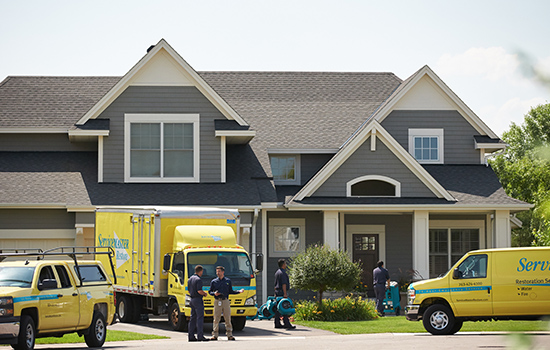
ServiceMaster Anytime has been servicing the Disaster Restoration needs of the Central Coast area
since 1963.  When fire, smoke, or water damage your home or business, speed is essential to minimize further damage. To restore your home or business to its pre-crisis condition – and avoid costly mistakes – it’s just as critical to select the most qualified professionals.  As the leader in the restoration and cleaning services industry for more than 40
years, ServiceMaster Anytime is committed to maintaining the highest
business, ethical, and quality standards.

No matter what the emergency; water, sewage, fire or smoke damage, trauma /vandalism clean up,
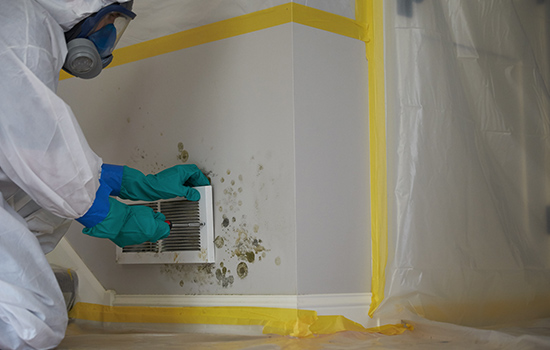
mold remediation and construction services, ServiceMaster Anytime is ready to give you peace of mind with
24/7/365 service. Santa Barbara 963-1365- Santa Maria 922-4477 – Lompoc
736-1168 San Luis Obispo 541-3241


Send Your Cleaning Questions to Anita at anita@svma.com
Dear Anita.

Wow, we had a Holiday Party and my friend spilled red wine
on my carpet. I tried to mop it up but now I have a stain. We are all red wine
drinkers, can you tell me what to do now and in the future if this happens
again?

Sharon
B. Goleta

Dear Sharon,

Yes, the merry making will be of glad tidings this season and red wine
on a carpet is NOT a merry situation. Once the stain has set like yours, it’s
best to call a professional to attempt to clean set in stains. However for the
future spills (and all red wine lovers have spills) follow these steps:


  • Be sure to remove the sugar residue or it will cause a permanent stain.
  • Blot up what you can with an absorbent pad.
  • Apply a carpet stain remover. Or, flush the stain on area rugs or sponge carpeting with a solution of 1 quart warm water, 1/2 teaspoon liquid detergent, and 1 tablespoon white vinegar.
  • Blot with a clean pad, rinse well with water and blot up all the excess liquid with an absorbent pad.
  • Weigh down with a heavy object. When no more liquid is absorbed, allow to thoroughly air dry.


Candle wax is the most common type of wax to be spilled on carpet and one of the most difficult waxes to remove due to the high heat and coloring of the wax during the spill. Other types of waxes that can find their way into textiles include those used in polishes, cosmetics, hobbies, and cooking. These are usually easy to remove with extraction and dry solvents.

You may think that the removal of candle wax should be easy and at times removing the visible wax is easy, but there often are residues and colors left behind that make the job much more difficult than you thought!

Understand wax before cleaning

Wax can come from many sources, such as from beehives,
petroleum products, plants, animals, etc. Most waxes used in candles come from petroleum by-products,
commonly referred to as paraffin wax. It typically melts slow and allows the
user to enjoy a burning candle for hours, if not days.

In order to appreciate how wax can bind with fibers, think of the characteristics of fibers. Olefin and polyester are oil loving fibers, and will tend to bond faster and stronger with anything petroleum based like candle wax. Although it may not be noticeable during cleaning, to some degree you will often find olefin and polyester somewhat more difficult to remove the
“greasy” aspect of the candle wax, but at the same time, repelling the colors that can be in the wax. Nylon may be more forgiving to the waxy partof the spill, but not as forgiving to the colors in the wax. Wool is mostly a nightmare when it
comes to removing wax, but it can be done.
Removing the wax

Most carpet cleaners use hot water extraction, and by using high heat, can often extract the wax from the carpet using “chop
strokes”, which are short, forward and backward movements of the cleaning wand. If you decide to use this method, remember that adding heat to the fiber can also aid in driving color into the fiber, because the fiber dye sites are more absorbent during the cleaning process. In other words, try to get the job done in a few minutes; don’t let the fiber cool and dry, as that
makes the color more difficult to remove later on.
If you do not have the ability to remove wax with hot water extraction, you can use a heat transfer method with a typical clothes steam iron. Some recommend using unprinted paper with the heat transfer process, but often a better choice is to use a white cotton towel that can be disposed of after the spotting procedure is completed. The white towel is more absorbent
and protects the carpet better from burning or melting. Place the towel over the hardened wax and with the clothes iron on low, place the iron on the towel and allow it to soften the wax. Gently push the iron onto the towel, allowing the newly-melted wax to absorb into the towel. Repeat a few times, as necessary to remove as much visible wax as possible. I have also used the heat transfer method to remove red candle wax from light color wall.

ServiceMaster Anytime has pledged $500 to the American Heart Association for the Heart walk
that is being held on October 8th.
WE NEED WALKERS!! To Register, go to Heart Walk Then click on
Find a company, Find ServiceMaster Anytime and join our team.
You are encouraged to invite friends & family  to join our team.  You are welcome to raise additional funds.
The Santa Barbara Heart Walk is scheduled for Saturday, October 8, 2011 at the beautiful Fess Parker’s Doubletree Resort in Santa Barbara. Registration begins  at 9:00am with the 5k walk starting at 10:00am. Join us as we strive to fight
heart disease and stroke -America’s #1 and #3 killers! Raise dollars for critical research and education to reduce disability and death from cardiovascular diseases and stroke. Event will include a Survivor Tribute area, Prize Drawings, Kids Zone, VIP Area, Lunch, Risk Factor Screenings, Heart-Health  Info & More!
Fess Parker’s Double Tree Resort
633 East Cabrillo
Blvd
Santa Barbara, CA 93103

Disaster Restoration Customer Comments August 2011
James R. of Nipomo “Representative was very efficient and professional.  Went right to work and solved our immediate problem.”
John C. Of Goleta “Professional, from the start to the finish. They know what they to do and completed their tasks in a very competent manner…Need I say more….”
Diane H. Of Summerland “Awesome service from your entire staff!”
Renae of Santa Maria; “All of the employees from the person who gave the estimate, to the persons who cleaned
were friendly, sympathetic, had a sense of humor, hard working, and did an excellent job!  The experience with ServiceMaster
from beginning to end was one of the most positive experiences I’ve ever had with a business.  In this day and time
when so many businesses seem uncaring and act as if they could care less whether you do business with them or not, often do a poor job and take no pride in their work, ServiceMaster was an amazing relief.  Attention to detail, making sure that we werehappy with the result was truly amazing.  I am one happy customer and can’t thank ServiceMaster enough for such
high class service during a very trying time for our family.”
Carpet Cleaning & Residential Customer Comments August 2011
C W “The gentlemen were very polite and were prompt, too. They did a really good job of cleaning some icky sticky places  : )  . I recommend them”

Debby S. “Knew the name of the receptionist/agent and she always knew the details of my service. Always
quick, informed, helpful.”

Lisa C. of SantaYnez“ Responsive, on time, professional, thorough, helpful, pleasant, takes initiative to do the
most that can be accomplished in the time allotted. Exemplary service!”
Clara V of Camino Real Market Place “We have used yourservices for a number of years. Your people show up on time, are clean and well mannered and know what they are doing. What is not to like?”
Deborah G. of Goleta “The professional, focused, hardworking young man who came. Good result too!”
Tim G. of Santa Barbara “From the person who gave the quote, to the team of people who did the cleaning they were all
very professional and polite.”
Deborah H. of San Luis Obispo “Paul was a very nice man. Knew what he was doing and knew about the carpet.
I had no clue about what kind of carpet it was. I learned a lot from him.”
Mary B. of San Luis Obispo “On time, friendly and thorough.”
Leigh Anne H. of Goleta “We needed an appointment right away and Anita, in the office, went
out of her way to work us in.  She was so helpful and professional.  She even checked to see if we were satisfied with the work. We are extremely happy with he work done to clean the apartment our son and 3 roommates lived in.  Service Master you are miracle workers!”
Thanks to all of our great customer that gave us feedback and reviews!

Your hotel room is your home away from home, with a few exceptions — hundreds of strangers from every corner of the world have slept there, and the hotel staff may not have the same standards of cleanliness that you do at home. It’s nice to have someone fold up your towels and make your bed while you’re out exploring the world, but in terms of sanitization, a neatly made bed does not equal a germ-free room. A study conducted by the University of Virginia found that people infected with a cold who spent a night in a hotel room left contagious germs on nearly 35 percent of objects they touched. The study showed that a virus can live on objects like faucet handles and ice buckets for at least a day — disturbing evidence of what might be waiting when you wheel your suitcase into a suite. It’s highly unlikely that a slightly soiled bathroom floor will put your life in danger, yet an unclean hotel room could affect your health; the most common afflictions are colds or stomach viruses. Try the following tips and sleep more soundly on your next adventure. How Do I Make Sure My Hotel Room Is Clean? Put your black light away. We’ve all seen footage of people scanning dark rooms with the revealing black light; stains and smears, invisible in the daylight, pop up in the most unexpected and shocking places (not the pillowcase — anything but the pillowcase!). But traveling with this device, which is a great for dramatic effect on television, is far from necessary. Here are a few other, less obsessive things you can do to rest assured you have a clean hotel room: 1. Read the Reviews Find out what your fellow travelers are saying about the place. 2. Wash your hands Mom has been telling you to do this for ever- need we say more? 3. Ditch the bedspread- Most hotels do not wash the bedspread after each guest-yet most of us sit on the bedspread in some state of undress or another. 4. Disinfect It is always a good idea to quickly spritz the faucet, door knobs, clock radio and remote control to eliminate any little buggers (germs) left behind. Try these easy things to make your next hotel stay more enjoyable and possibly healthier. I personally like to find a brand and try to stick with that brand when I travel. While most hotels are either owned by corporate giants or are franchised- you can usually count on the brand culture being fairly consistent from one hotel to another. Happy Trails!

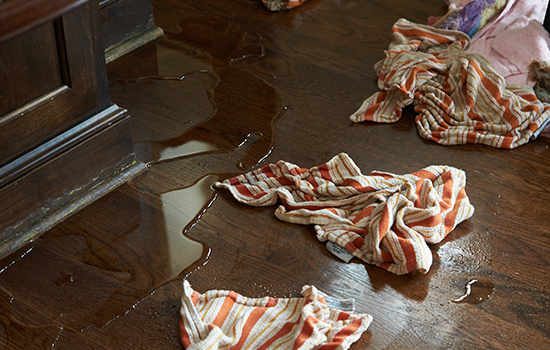
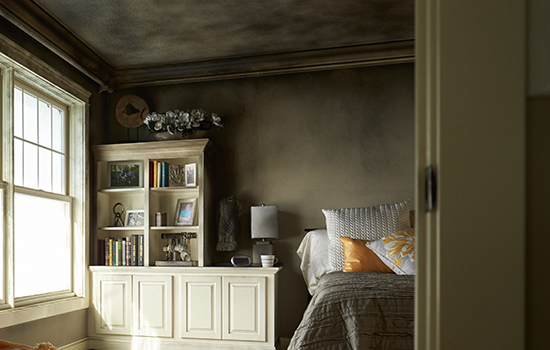
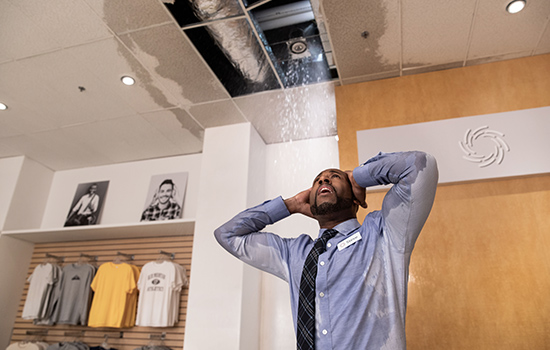
If your home isn’t water tight, this isn’t something you can ignore. Beyond the possibility of mold, long-term water damage can cause rot, which can lead to all kinds of expensive repairs to the structure of your home. Water damage can never be 100 percent completely prevented from starting in a home, so think and act ahead and consider these ten areas in your home to watch.  On the central coast water damage is one of the most common insurance claims submitted by homeowners. As well, the average homeowner is more likely to experience a water damage related loss than nearly any other type of major claim including fire.

The Damage Water Can Serve Up

Water can deal a lot of structural, physical, financial, and even emotional damage. To be able to successfully prevent water damage from starting, homeowners first need to know the damage that water can do to their homes. Here is a list of some of the common consequences of water damage in a home:

  • Drywalls become soft and fall apart once they get soaked with water
  • Floors, stairs, panels, and other things made out of wooden materials swell, disintegrate, and rot
  • Tiles, paints, and wallpapers crack, lift, and peel off when water gets in between them
  • Carpets, draperies, curtains, clothes, and other textiles become permanently stained with water marks
  • Couches, chairs, tables, and other furniture turn dirty, moldy, and damp
  • Expensive electronics, appliances, tools, and equipment stop working
  • Electrical sockets and outlets may cause a fire or even a deadly electrocution once they get wet
  • Important documents become unreadable, books become soggy, and family heirlooms such as pictures may be damaged beyond repair
  • Waterborne diseases that breed in the stagnant water may cause various health problems for the home’s inhabitants
  • Roofs can collapse when water collecting in blocked gutters and drains becomes too heavy
  • The home’s entire structure becomes dangerously unstable once water saturates integral parts of the foundation

Ways to Prevent Water Damage

The following are some simple ways that homeowners can follow to prevent water from damaging their homes.

Check All Household Appliances

The first way to prevent water damage is to check all household appliances. These include the washing machine, the dryer, the dishwasher, the refrigerator, air conditioning systems, and water heaters.

The hoses on any household appliance that features them should always be inspected. They should always be maintained and kept in tiptop shape. Any hose that shows signs of wear and tear should be repaired or replaced immediately. Hoses should also be firmly attached to the connectors on household appliances.

Make sure that the drainages and filters on all household appliances are clear and free from debris. They can easily cause water damage if they are not able to drain properly and completely. Once an appliance takes noticeably longer to drain, then it is a sign that the drain or filter is clogged and needs to be changed.

It is not normal for any household appliance to leak or cause moisture to form in its surrounding area. If it does any of these, it might be time to bring it in for repair or to shop around for a new replacement.

Buy Quality Household Appliances

Homeowners should invest in household appliances that have a known quality standing. This means they should have been made by a reputable company and they should also have passed safety tests and quality standards. It may be tempting to buy cheaper things from unknown brands, but the hidden costs of constantly repairing and preventing the risks of water damage will make it more expensive in the long run.

Check The Plumbing

 Another way to prevent water damage is to check all plumbing inside the house. Checking all plumbing includes sinks, showers, bathtubs, and toilets.

Make it a habit to check under kitchen sinks and bathroom sinks. The drainage pipes should not be leaking. Don’t forget to check around the sink. If water is collecting in an area other than the basin itself, then it can be an indicator that something is loose in the main parts of the faucet.

Check the areas around showers and bathtubs for cracks, holes, and other openings where water might leak. Seal these closed right away. If the walls or floors around showers and bathtubs remain wet long after someone has used them, then it could be a sign that a supply line or a drain pipe is damaged.

As much as possible, do not hang or place deodorizers, decorations, sanitizers, and the likes near toilet bowls. These are often the cause of toilets clogging and causing water damage at home.

Inspect The Pipes

 As pipes and plumbing are often behind walls, under floors, or through ceilings, always be on the lookout for suspicious water stains. If there is a water blot showing through a wall, a floorboard, or a ceiling panel, then it could mean that one of the pipes is busted and leaking.

To prevent faulty plumbing, schedule a regular checkup of all pipes in the house. If the house is a little old, then all the more should pipes be placed under thorough inspection. Replace anything cracked, leaking, and rusty.

Unusual Noises in the Pipes

One of the signs of a broken pipe is unusual noises in the pipes. Generally, there are three sounds that are associated with the pipes, particularly in older plumbing systems. These are known as the water hammer, whistling and chattering.

The water hammer is the thumping sound in the pipes when the valves are suddenly turned off. Often the water hammer can be taken out when an air chamber or an extra length of pipe is installed in the wall where the supply pipe meets the fixture such as the faucet. Another option is to place shock arrestors to the main pipe line that is located near the cause of the noise. A water hammer can mean that the piping is subjected to shock waves. This can lead to wear and tear and thus, to leakage if it is not properly addressed.

Another example of noise as an indicator of a problem in the system is a chattering noise. In this situation, the loose pipes bump into each other causing the sound. This can be due to the fact that the washers are worn out or the parts of the system are loose. It is important to address this situation because the constant tension of the pipes rubbing against each other can lead to holes that can spring leaks.

Finally, when the water squeezes through a pipe that is too small, a whistling sound is emitted. It usually occurs when there are bends in the pipe. When a sound such as this is heard, particularly when it did not exist before, there is a need to investigate the matter because it can mean that the pipe is dented. This is a serious matter because if the water pressure builds up too much, it can lead the pipe to burst causing water damage. To remedy the situation, the piping system can be straightened out or a pressure reducing valve installed

 Caulking around Tub and Shower

One job every home owner should learn to do is to caulk around the tub and shower. It’s a job that has to be done every couple of years and it’s a job that is a must to avoid water damage. Whether you are caulking a tub or shower the hardest part of the whole job is cleaning out the old caulk.

The type of caulk used is important. It should be “a water cleanup caulk.” Look for caulk that reads Water Clean-up for Bathrooms. There are 2 types and either will do the job: the squeeze tube caulk or the caulk that has to be used with a three dollar sealant application gun.

 Sanitary & Sewer Maintenance

Know where your main line cleanout (sewer access) is located. If you don’t have a main line cleanout, then you should consider having one installed. It is a very wise investment in case of any back-up. Make sure that you have a wrench on hand to remove the cleanout cap. This will put the sewage back-up mess outside of your home as opposed to inside of your home. Test and confirm that the cap is removable. Use environmental Bio-One drain treatments. NEVER use acid or strong chemical treatments. This can cause more damage than good.

Follow up every drain cleaning service with a camera inspection of your sewer line. This will make sure that your pipe was really cleaned efficiently. Make sure that the camera inspection service is included with the drain cleaning, and no additional cost to you is incurred for this service.

Inspect the Roof

Because it is constantly exposed, the roof can deteriorate a lot quicker than the rest of the house. Conduct a periodic inspection of the roof to check if the roofing materials can still withstand the elements or not. Replace anything that has cracked and cover anything that has opened up.

Clear gutters and drains from dirt and debris that may have collected in them. Water should be able to drain from the roof without any obstructions. Consider cutting off tree branches that hang right over the roof. The leaves falling from trees can easily block gutters and drains and become a source of a water damage problem.

Weather Events

 What are the weather events that can cause water damage to a home? A flash flood, pouring rain, and heavy winds are a few of those things. These weather-induced events can easily damage a house. One surge and an entire wall or even the entire structure can go down. However, it doesn’t have to take a strong wind, a sudden flood, or even a light rain to cause severe water damage. Water, whether in massive flows or in small measurements, can both cause extensive amounts of damage to a home.

 The presence of a little bit of water is easy to disregard. It might not seem to amount to much at first, but that little bit can already pose a big threat to a home. All it takes is a tiny, but constant dripping to wreck ceilings, walls, stairs, and wooden floors. A little trickle of water is already a potential cause of a hazardous electrical fire if it reaches appliances, electronics, and sockets around the house. A small yet steady dribbling of water is a way to silently sabotage the entire structural foundation of a home, especially if it is left neglected over a long period of time. Once that little bit of water gets to an area where it shouldn’t be, homeowners already need to look out and prepare for water damage.

Install Water Alarms

 If there are fire alarms, then there are water alarms. Consider investing in inexpensive water alarms that give off a warning sound when it senses moisture. These are very effective when placed in an area with high water damage risk such as under sinks or in the bathroom and hot water heater.Some water alarms can be connected directly to household appliances. Once it senses that the appliance is producing more water than it is supposed to, the water alarm immediately shuts off the appliance’s water supply. A similar alarm that shuts off the main water supply can also be used for the entire house.

 Main Water Valve

Main water valve location and identification – One of the most important things to know about your house is where to shut off the water when there is a water problem. Every member of the household should know where the main valve is and how to shut it off in case of an emergency. Another important point is that the valve should turn easily so that even a very young person could turn the water off.  It is also recommended that a tag be put on the main valve so that it is easily recognized as such. Many times people know where the valve is located but, when a water problem develops, they don’t remember which valve is the main valve. The tag will identify the valve and could save thousands of dollars by keeping water damage to a minimum.

Once you made this list a part of your regular household check, you’ll realize that you are already a step ahead in preventing water damages.  Using simple skills and forming proactive habits are what homeowners can do to effectively stop water damage events.


 Recognize an Ethical Issue

  1. Is there something wrong personally, interpersonally, or socially? Could the conflict, the situation, or the decision be damaging to people or to the community?
  2. Does the issue go beyond legal or institutional concerns? What does it do to people, who have dignity, rights, and hopes for a better life together?

Get the Facts

  1. What are the relevant facts of the case? What facts are unknown?
  2. What individuals and groups have an important stake in the outcome? Do some have a greater stake because they have a special need or because we have special obligations to them?
  3. What are the options for acting? Have all the relevant persons and groups been consulted? If you showed your list of options to someone you respect, what would that person say?

Evaluate Alternative Actions From Various Ethical Perspectives

Which option will produce the most good and do the least harm? Utilitarian Approach: The ethical action is the one that will produce the greatest balance of benefits over harms.
Even if not everyone gets all they want, will everyone’s rights and dignity still be respected? Rights Approach: The ethical action is the one that most dutifully respects the rights of all affected.
Which option is fair to all stakeholders? Fairness or Justice Approach: The ethical action is the one that treats people equally, or if unequally, that treats people proportionately and fairly.
Which option would help all participate more fully in the life we share as a family, community, society? Common Good Approach: The ethical action is the one that contributes most to the achievement of a quality common life together.
Would you want to become the sort of person who acts this way (e.g., a person of courage or compassion)? Virtue Approach: The ethical action is the one that embodies the habits and values of humans at their best.

Make a Decision and Test It

  1. Considering all these perspectives, which of the options is the right or best thing to do?
  2. If you told someone you respect why you chose this option, what would that person say? If you had to explain your decision on television, would you be comfortable doing so?

 Act, Then Reflect on the Decision Later

Implement your decision. How did it turn out for all concerned? If you had it to do over again, what would you do differently?

Next Page »